OYSTERS
A bathtub a day
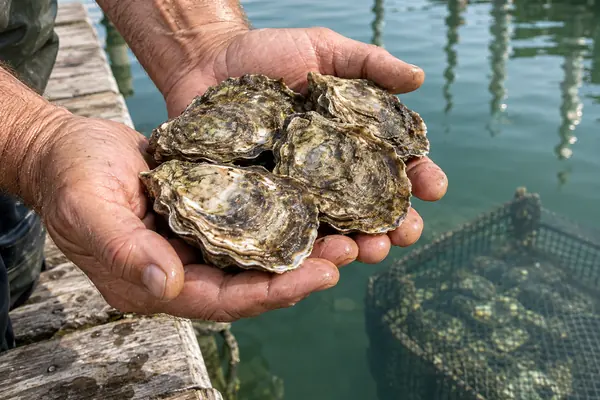
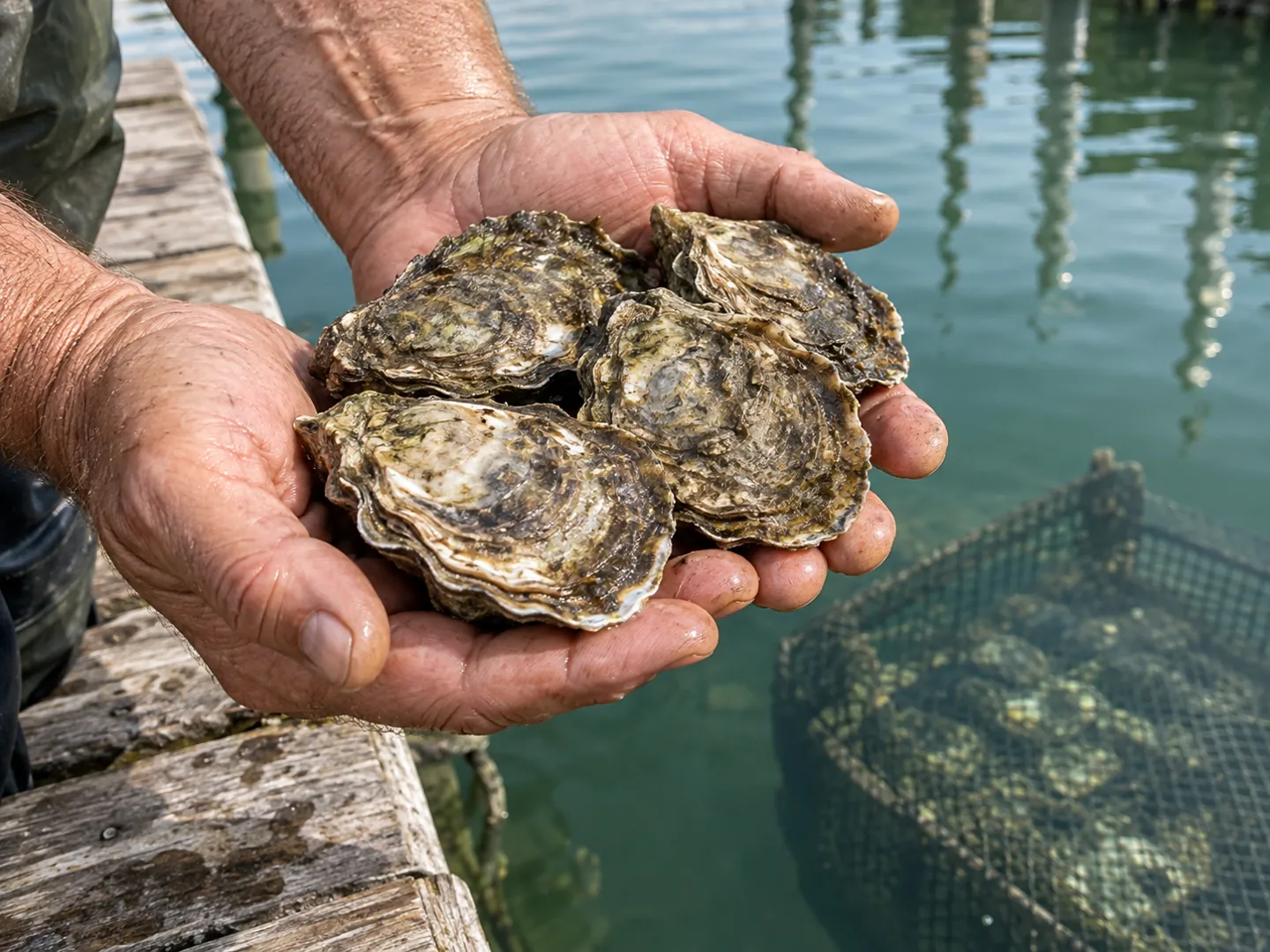
ZSL says each adult native oyster can filter about 200 litres of water a day, helping water quality and clarity. UK populations have fallen by more than 95%.
See the numbers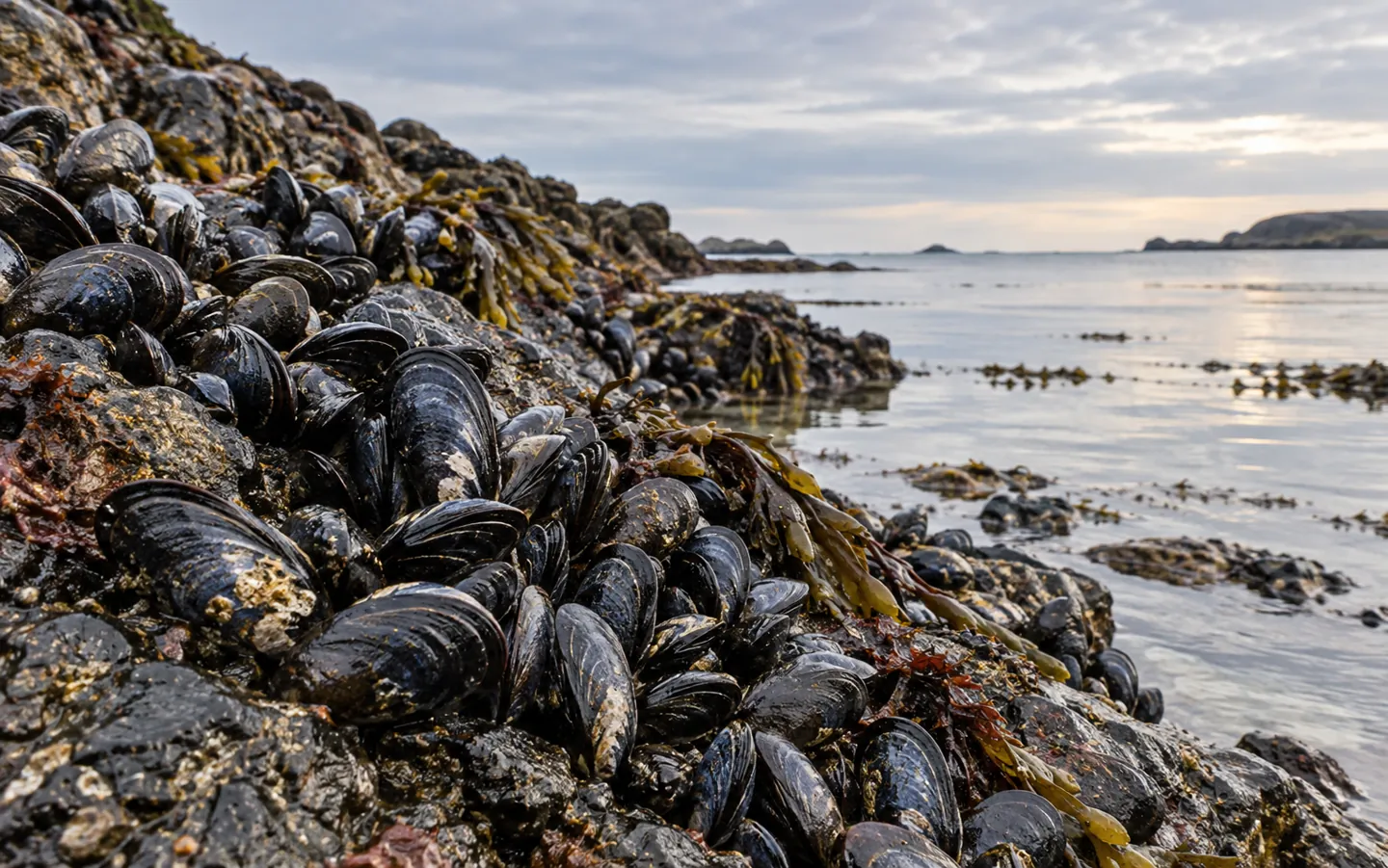
FILTER FEEDERS, EXPLAINED
≈ 200 L a day, one oyster
AI-generated image, not a photograph of a real person or place.
Some of the sea's busiest cleaners never move.
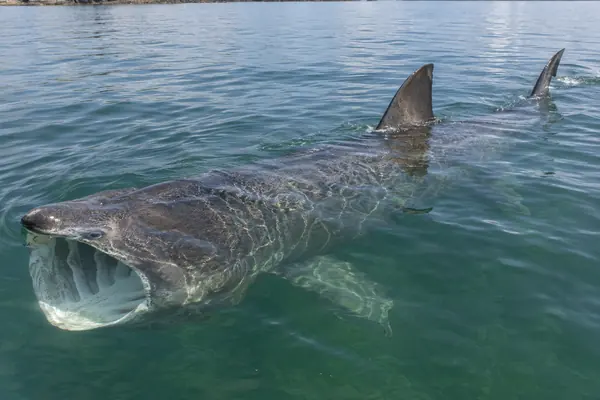
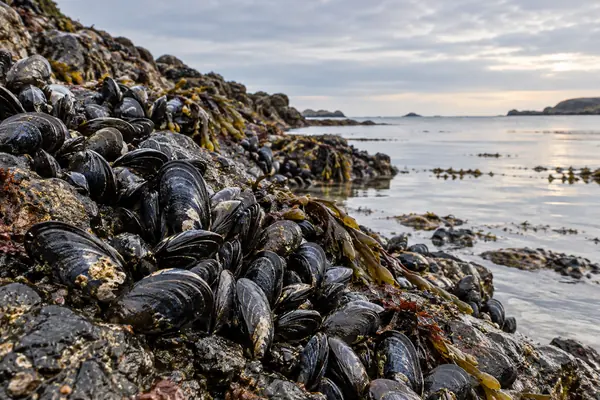
Oysters and mussels pump seawater through their gills and sieve out food, while the basking shark swims with its mouth wide open to strain plankton. Filtering makes them useful to coastal waters, and it is also why shellfish waters are tested.
THE SHORT ANSWER
Filter feeders take food from the water around them.
In doing so, they move remarkable volumes of it.
OYSTERS
ZSL says each adult native oyster can filter about 200 litres of water a day, helping water quality and clarity. UK populations have fallen by more than 95%.
See the numbersBASKING SHARKS
The world's second largest fish has no teeth. NatureScot says it lives on plankton, filtering millions of litres of water an hour through its gills.
Where to see themMUSSELS
Mussels feed on bacteria, plankton and detritus, and they filter out contaminants too. That is why shellfish waters are tested and graded.
See the grades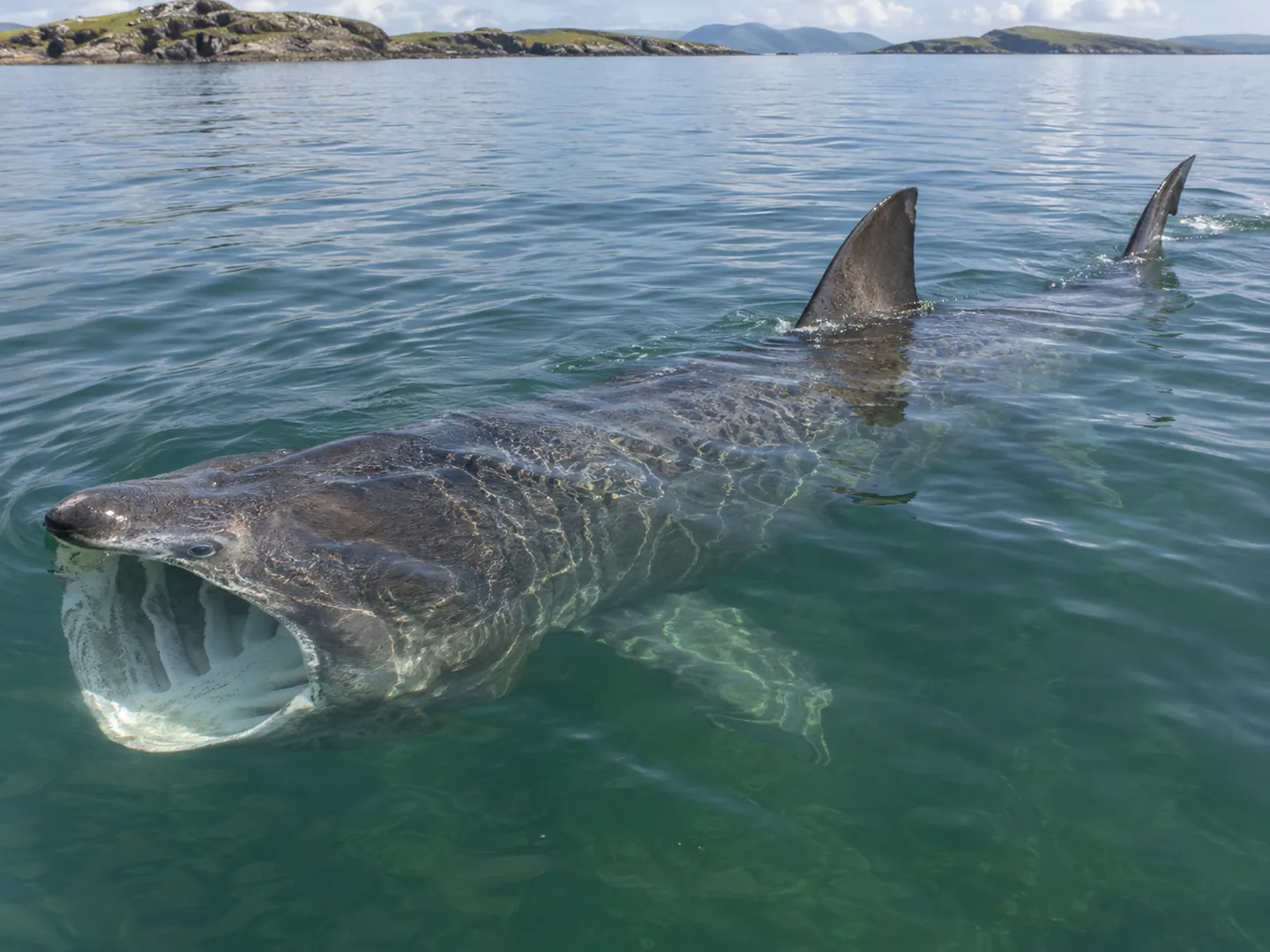
FOUR WAYS TO NOTICE THEM
Filter feeders are easy to overlook because most of them hardly move. Here is how their filtering shows up around the British coast.
Mussels can only feed when they are under water, so those higher up the shore grow more slowly but tend to live longer.
Basking sharks gather in the Sea of the Hebrides each summer, feeding at the surface with their huge mouths wide open.
NatureScot points to the Shark Trust's online database for reporting basking shark sightings, which helps research.
Restoration projects use nurseries hung under marina pontoons, where native oysters breed and release larvae into the wider estuary.
TWO NUMBERS WORTH KNOWING
One figure on a single oyster,
one on what has happened to them.
≈ 200 litres a day
Water one adult native oyster can filter
ZSL's restoration team describes it as around a bathtub's worth. Oyster nurseries in Conwy filtered an estimated 112 million litres of water between 2023 and 2025.
FILTERING · ZSL
> 95%
Fall in UK native oyster populations
Native oyster populations have declined by more than 95% over the past century, through habitat loss, historic over-harvesting, pollution and disease.
DECLINE · BANGOR UNIVERSITY
In May 2026 Bangor University and ZSL placed 2,000 mature native oysters on a newly restored 640 square metre area of Conwy Bay, aiming to create a living reef, more than a hundred years after oyster reefs disappeared from North Wales waters.
HOW SHELLFISH WATERS ARE GRADED
Shellfish areas in England, Wales and Northern Ireland are graded by the E. coli found in the shellfish flesh. Pick a class to see the standard and what has to happen before the shellfish can be eaten. The bar shows how contaminated each class is.
Based on Food Standards Agency statutory guidance on shellfish classification. E. coli is counted per 100 g of flesh. This explains the grading system; it is not food safety advice for foraging.
THE BASKING SHARK
The basking shark grows up to 10 metres long and is endangered on the IUCN Red List. It has been fully protected in Scotland since 1998, and in 2020 the Sea of the Hebrides was designated a Marine Protected Area for basking sharks and minke whales.
Satellite tags fitted by NatureScot and the University of Exeter showed that individual sharks return to the same waters around Coll and Tiree in consecutive summers, after migrating as far south as the Canary Islands in winter.
In conversation
An animal that feeds by straining small particles of food, such as plankton, bacteria or detritus, out of the water. MarLIN describes the common mussel as an active suspension feeder.
ZSL says each adult native oyster can filter approximately 200 litres of water a day, around a bathtub's worth, helping to improve water quality and clarity.
NatureScot calls it a gentle, toothless giant that feeds solely on plankton. It is protected in Scotland and listed as endangered by the IUCN.
Because filtering also collects contaminants. MarLIN notes mussels can accumulate bacteria, viruses and algal toxins, and the FSA grades harvesting areas by E. coli in shellfish flesh.
One option is purification: the FSA says shellfish are held in tanks of clean or artificial seawater, where conditions encourage them to filter out contaminants such as E. coli.
Each figure on this page comes from the sources below.
ABOUT THIS NAME
doodlefilters.com is part of the DoodleSale portfolio. It isn't in an auction right now, but you can ask about leasing it.